
The advice hasn't changed in decades.
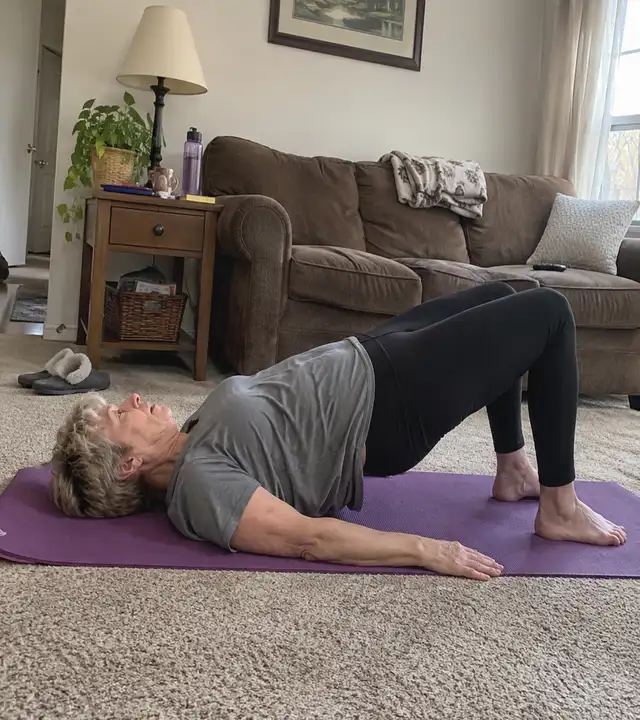
Leaks? Do your Kegels. Squeeze, hold, release. Ten times, three times a day.
For many women it helps. For many others the leaks ease up for a while. Then they come back.
Most of those women assume they did the exercises wrong.
The textbook that turned out to be wrong
For most of the last century, medical students were taught that a healthy bladder is sterile. Nothing lives there.
A little over ten years ago, researchers with newer lab methods took a closer look.
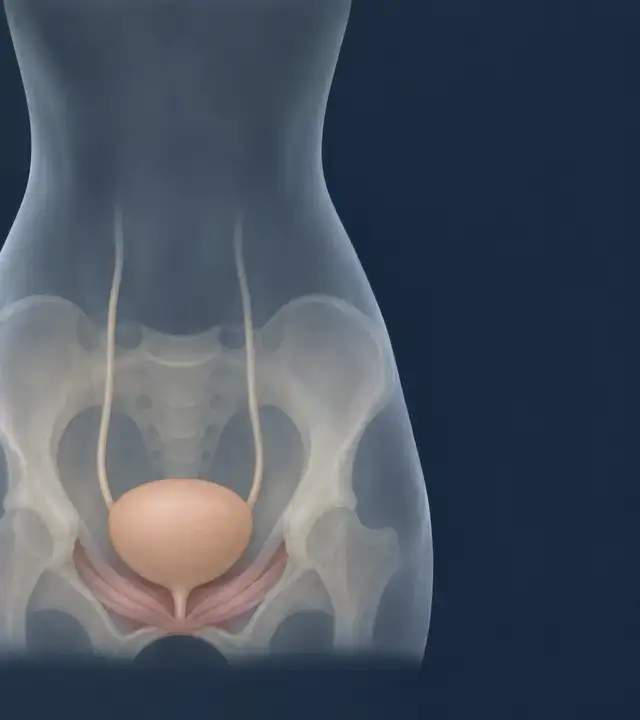
The bladder was not empty. It had a community of bacteria all its own. [1]
[1] Hilt et al. (2014). Urine is not sterile: use of enhanced urine culture techniques to detect resident bacterial flora in the adult female bladder. Journal of Clinical Microbiology. DOI: 10.1128/JCM.02876-13.
Then they compared women who deal with sudden-urge leaks with women who don't. The two groups did not look the same. [2]
[2] Pearce et al. (2014). The female urinary microbiome: a comparison of women with and without urgency urinary incontinence. mBio. DOI: 10.1128/mBio.01283-14.
Nobody is saying the muscle doesn't matter. It does. But exercise works on the muscle, and this is not a muscle.
Why you haven't heard about it
The research is new. Standard advice takes years to catch up.
Most checkups still begin and end with the pelvic floor.
What the video shows
A short video goes through what researchers have found so far, in plain language.
It also shows one small daily habit built around this idea. It takes less than a minute. It is not an exercise.
What it is, and when to do it, is in the video.
Watch it today
The video is free.
Watch the Full Video