

Beauty & Self-Care
Personal care, on your own terms
Self-care is personal. It is not about correcting anything or chasing a version of yourself that does not exist. This section offers calm, practical reading on everyday skin care, sun protection, and the small personal rituals that make a day feel more your own.
There is nothing here about reversing ageing, correcting "flaws", injectables, or medical procedures. Only the ordinary, unhurried care that fits into an ordinary week.
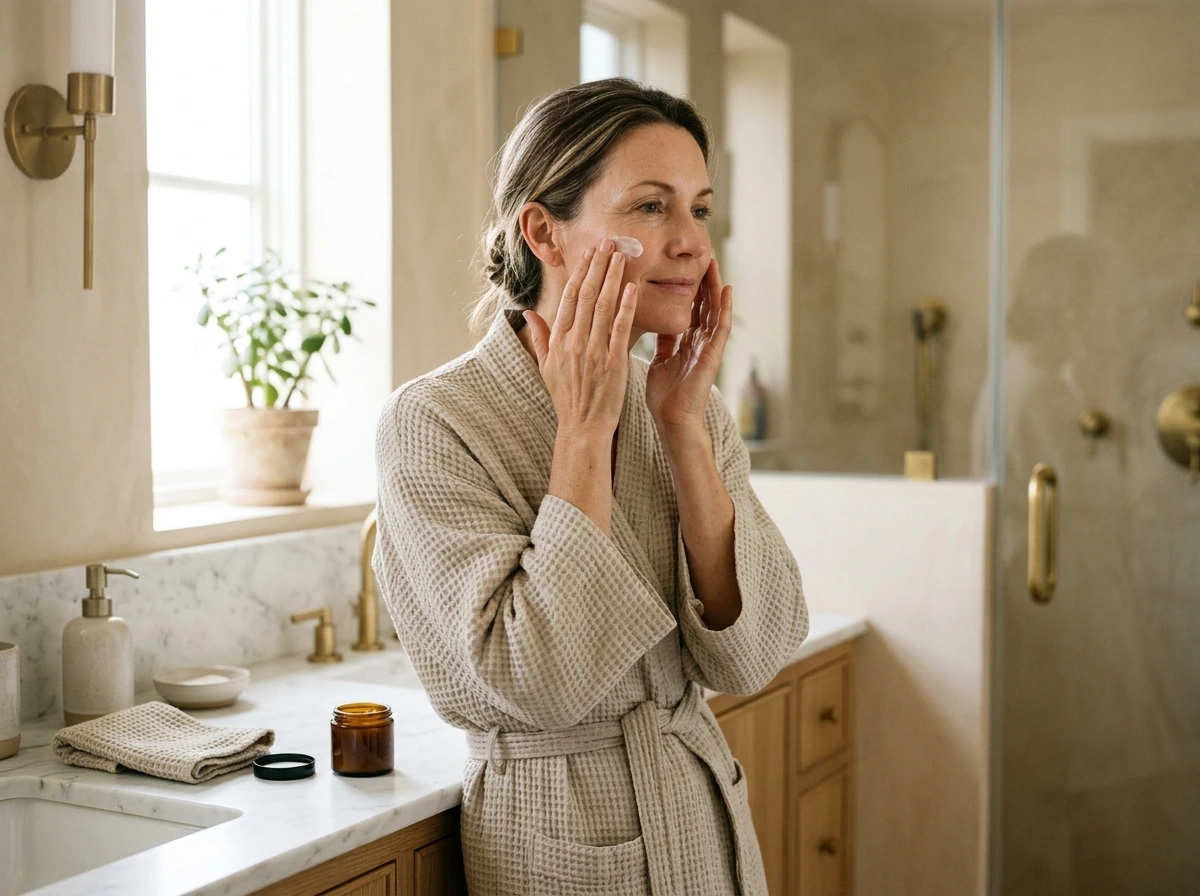
Skin Basics
A simple routine, in the order it usually makes sense to do it.
Cleanse Gently
A mild cleanser once or twice a day is usually enough. Harsh scrubs and frequent washing can leave skin feeling tight or uncomfortable. Some people find that skipping a morning cleanser works well, especially if the skin is dry — there is no single correct way.
Moisturise
A moisturiser helps support the skin's natural barrier. The right texture — lighter or richer — often depends on the season and how your skin feels. Choose a texture you enjoy using; comfort matters more than the label.
Protect with Sunscreen
Sunscreen is the most reliable everyday step for skin care. It works quietly in the background, whatever the weather. Apply to face, neck, and hands each morning — or use a moisturiser with SPF already included.
Cleanse and Moisturise Again
In the evening, cleanse gently to remove the day's build-up — especially if you wore makeup or sunscreen. Then apply a moisturiser suited to how the skin feels. If you use a specific treatment product, this is often the time. If you do not, that is fine too.
Keep It Consistent
A short routine followed regularly is more useful than a long routine abandoned after a week. Keep products within reach, adjust textures with the seasons, and allow yourself a shorter version on days when energy is low. If you have persistent skin concerns, that is worth discussing with a qualified dermatologist rather than treating through routine alone.
Sun Care
The quiet, everyday part of skin care that works all year.
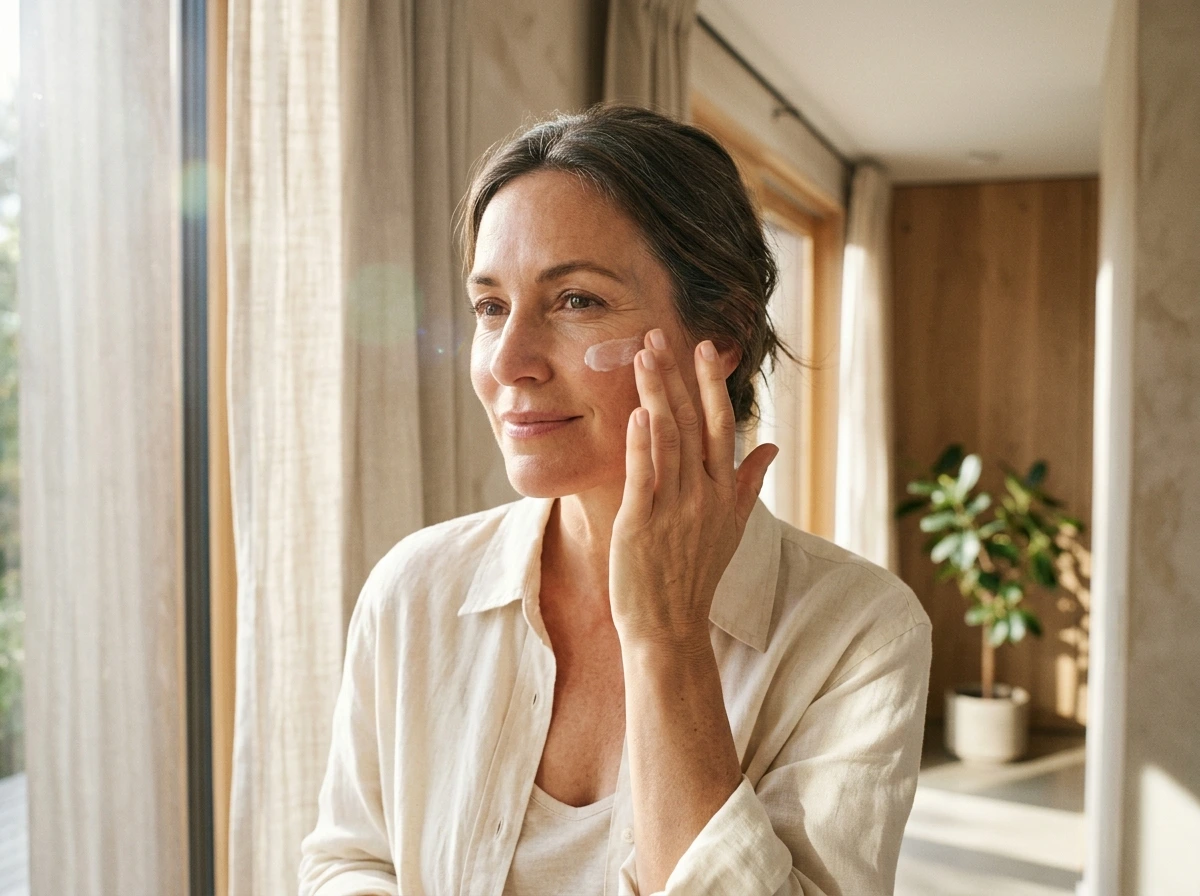
Personal Rituals
Small, unhurried moments of care that fit your life and feel genuinely yours.

An Evening Wind-Down
Cleansing your face slowly, applying moisturiser, and letting the day close at its own pace. A short, repeated sequence signals to the body that the day is ending — no perfect routine required, just a few minutes of unhurried attention.

Something for the Senses
A scent, a texture, a favourite fabric, a particular tea. Small sensory pleasures are part of caring for yourself, not an extra. Noticing what feels good — and making room for it — is a practice in itself.
It does not need to be expensive or elaborate. Often it is a single, familiar thing that changes the tone of an ordinary evening.

A Quiet Morning Start
Five minutes before the day begins — a warm drink, a stretch, a moment by the window.

Caring for Hands
Hands age alongside us and are often overlooked. A simple hand cream can be a small daily kindness.
Reading Cosmetic Labels
A calm way to read packaging without getting pulled into the marketing.
Ingredients List
Listed from highest to lowest concentration. The first few ingredients usually give the clearest sense of what a product mainly contains. An ingredient near the end of the list is present in a small amount — which matters when a product emphasises an ingredient that appears late.
Fragrance
A broad term that can cover many different compounds. If your skin is sensitive, fragrance-free options are often a gentler choice. There is no requirement to avoid fragrance — just to notice if your skin reacts.
SPF Rating
Indicates protection against UVB rays. "Broad spectrum" means the product also protects against UVA rays. A specific number matters less than applying it regularly and using enough of it.
Expiry and PAO
The little open-jar symbol shows how many months a product is good for after opening. Older products may be less effective or less pleasant to use, so it is worth checking the PAO symbol when deciding whether to keep something.
Words Like "Clinical" and "Renewing"
Often marketing language rather than a regulated category. "Dermatologist-tested", "hypoallergenic", and "non-comedogenic" all have useful meanings but are less informative than they appear. A useful question to ask: does the label tell you what the product does, or how it is described?
From the Journal
Selected articles from this section, with the most recent first.
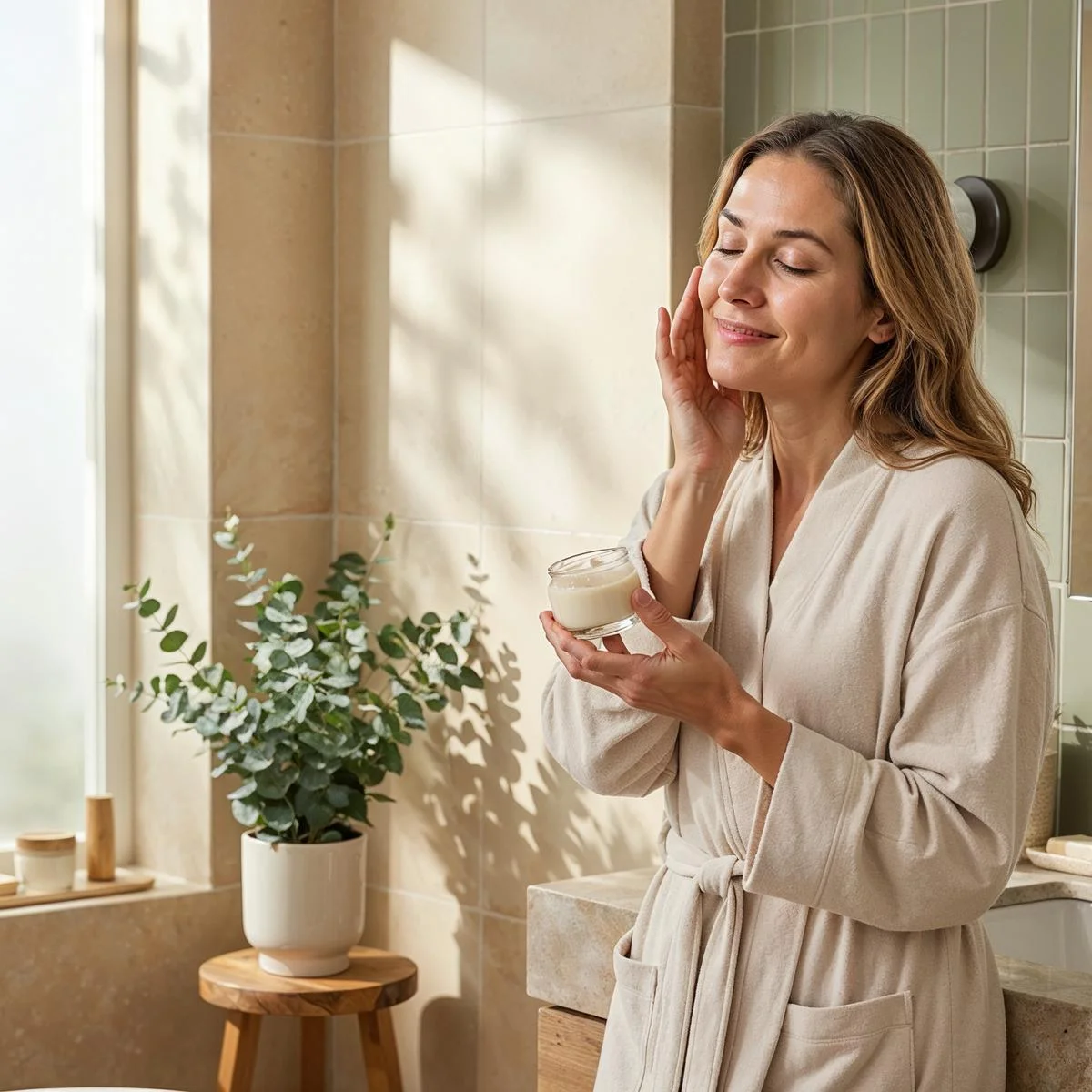
Building a Simple Skin-Care Routine
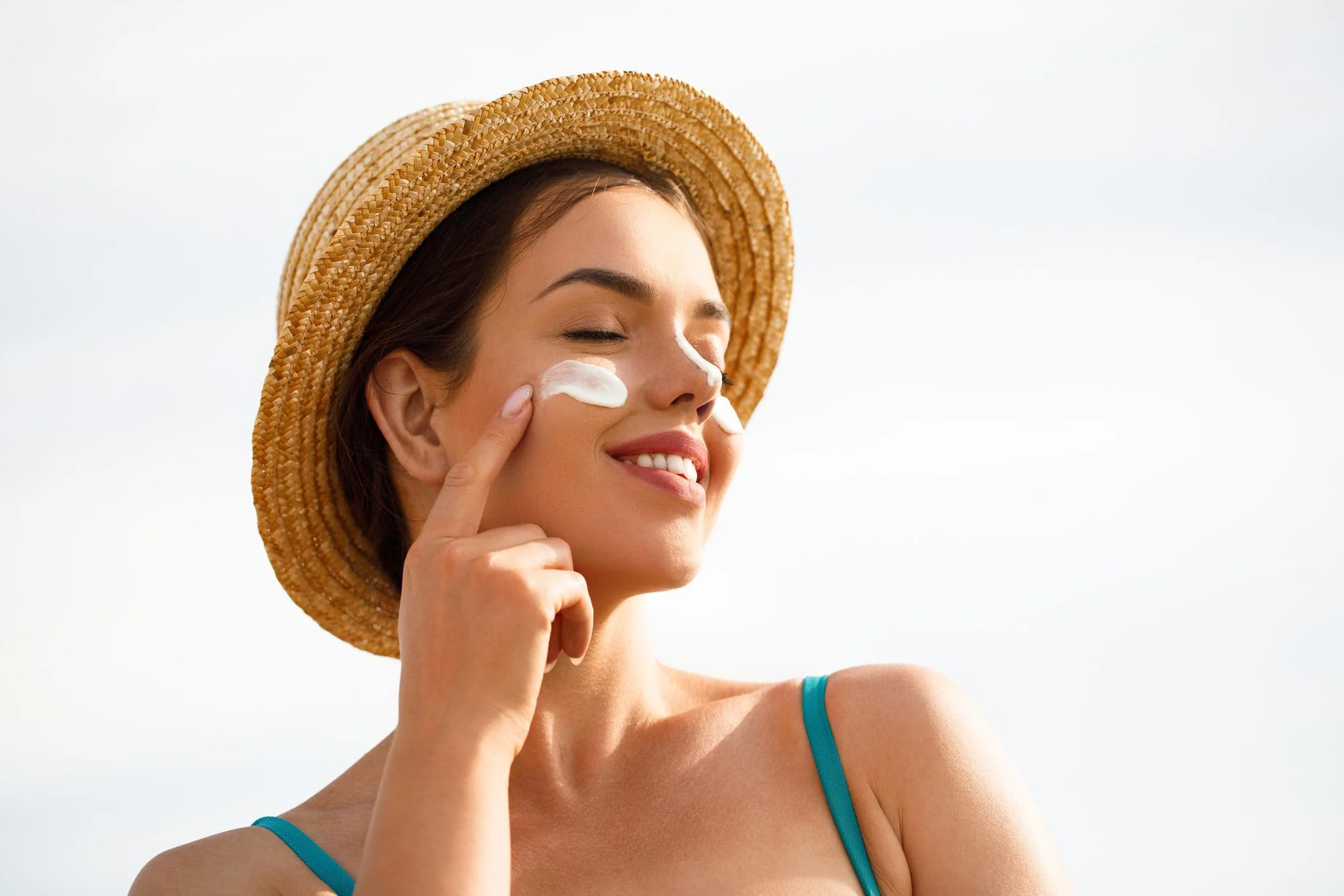
Everyday Sun Protection: The Basics
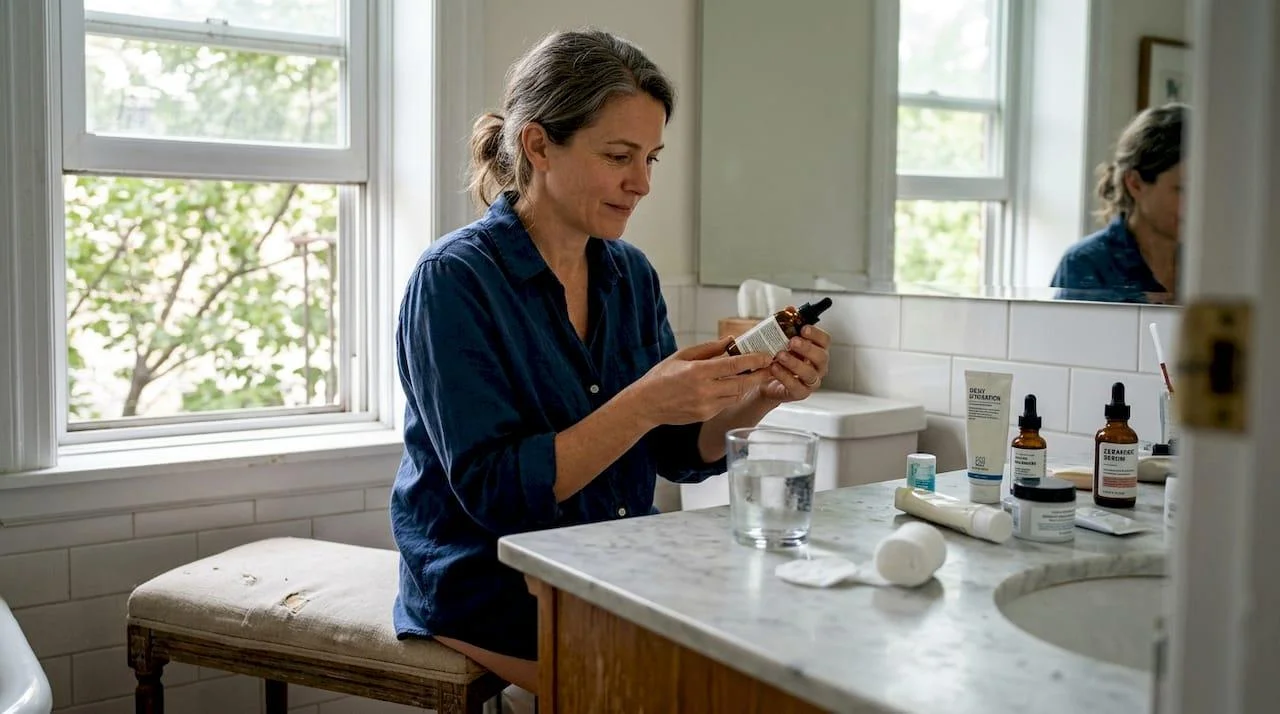
Reading Skin-Care Labels Without the Hype
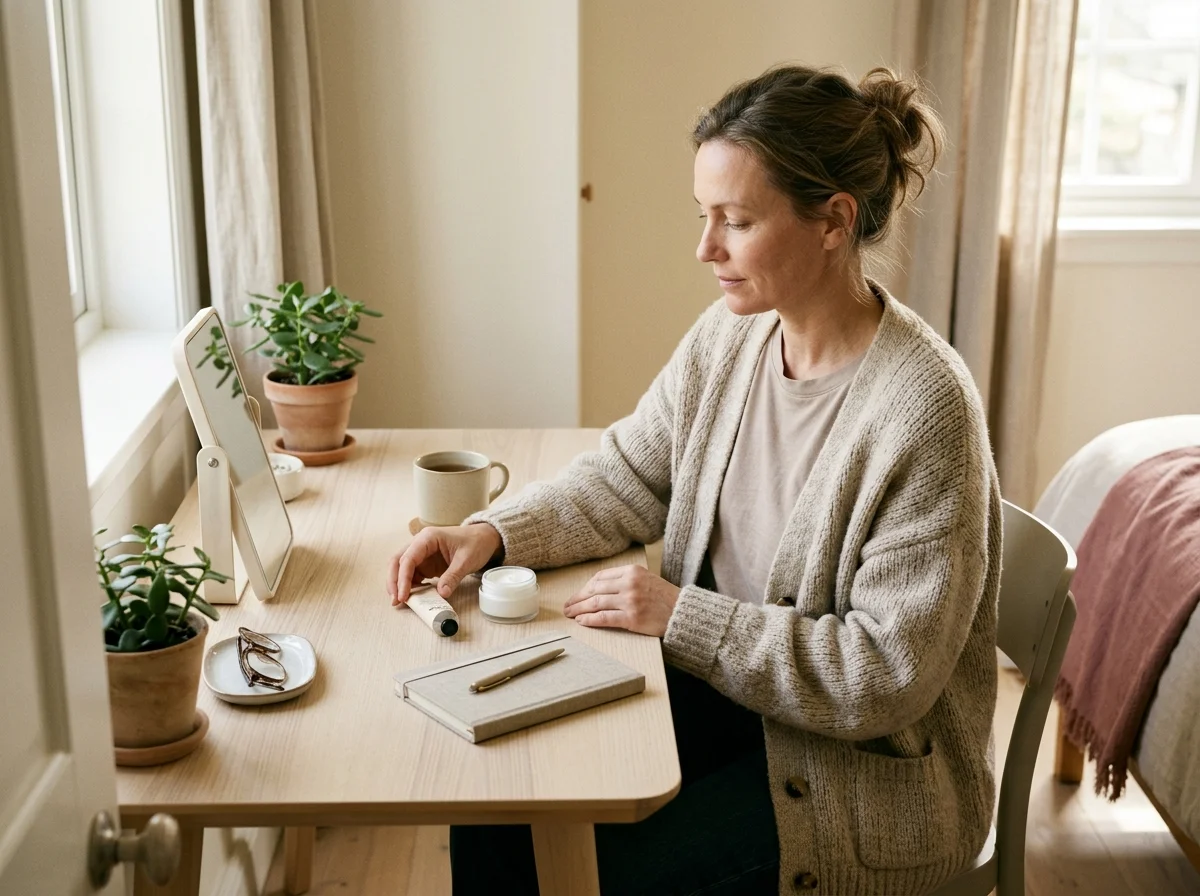
Making Space for Personal Care in a Busy Week
This section is educational and does not provide personal dermatological or medical advice, diagnosis, or treatment. It does not include treatments aimed at reversing ageing, correcting perceived physical flaws, injectables, or medical procedures. If you have specific skin concerns, please consult a qualified dermatologist or healthcare provider.