Movement does not have to be intense to be meaningful. This section looks at everyday physical activity — walking, gentle mobility, body awareness, and the pelvic floor — with practical, unhurried guidance that meets you where you are.
Nothing here is a training programme. The aim is to understand how the body works in ordinary life, and to build a few small, sustainable habits around that understanding.
What You Will Find Here
Three areas of everyday movement, each with its own articles and gentle guidance.
Walking & Mobility
Everyday movement, gentle stretching, and the quiet benefits of a regular walk at your own pace.
Body Awareness
Noticing how your body feels during ordinary movement — without judgement or performance.
Pelvic Floor Basics
An introduction to the muscles of the pelvic floor and how they support everyday function.
Walking & Mobility
Everyday movement, and how it fits into an ordinary week.
Why walking fits everyday life
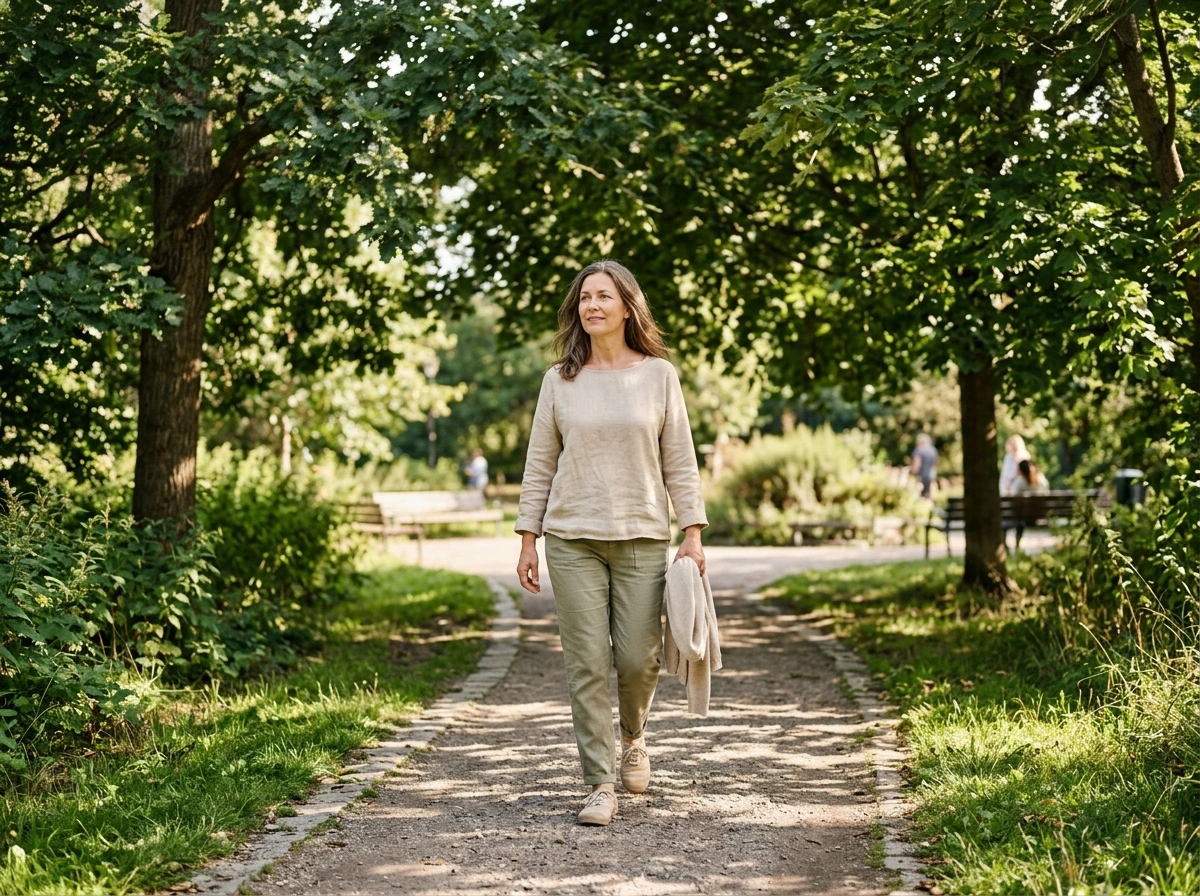
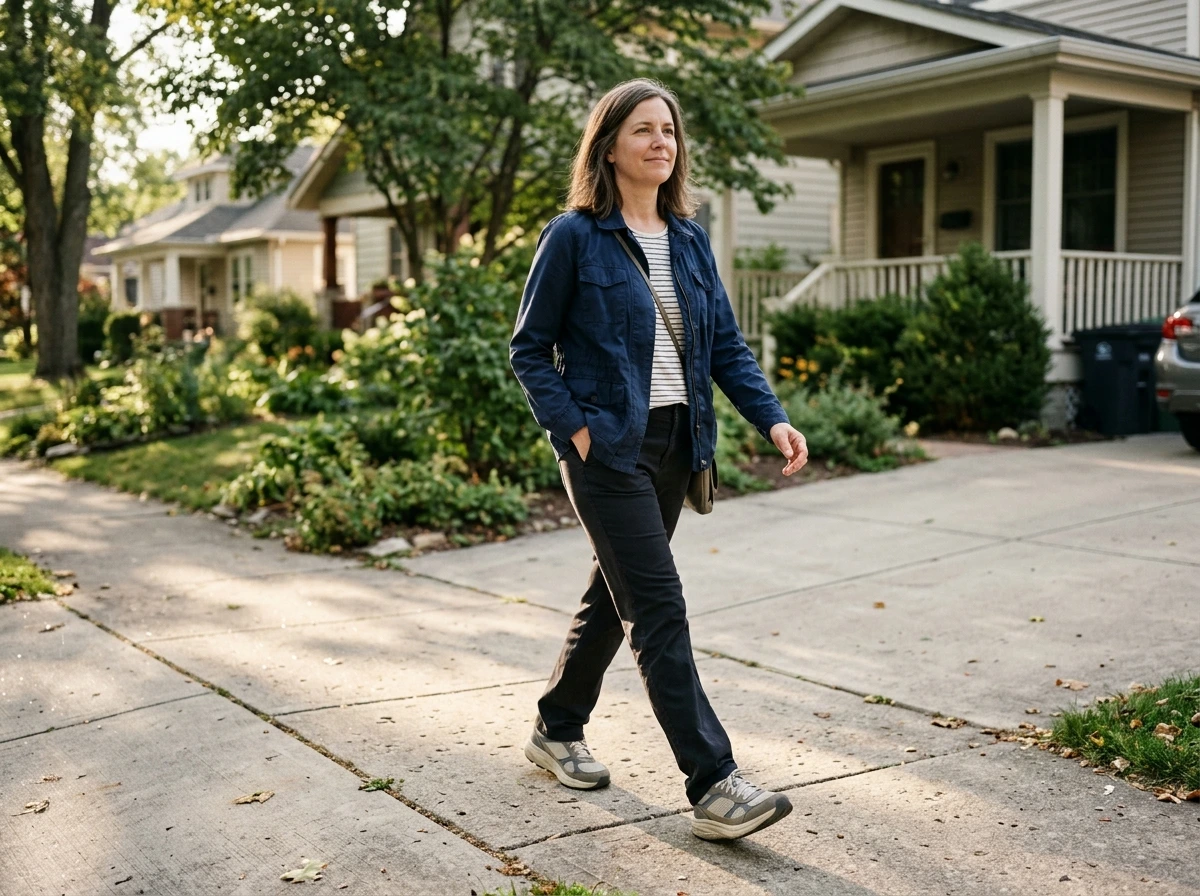
Walking is a form of movement that many people can do most days, in ordinary clothing, without planning. It is easy to adjust the pace and distance to how you feel. It can be done alone, with someone else, or as part of another activity, such as a phone call or an errand.
The benefits attributed to regular movement are widely discussed in general health information. For walking specifically, its value often lies less in intensity and more in consistency — a regular walk is more useful than a heroic one.
Small, regular walks tend to work better than ambitious plans.
Starting where you are
A useful starting point is the amount you are already doing. That might be a walk from the car to the shop, a trip up and down the stairs, or a slow wander with the dog. All of these count.
From there, small additions tend to work better than big intentions:
Five extra minutes at the end of a walk you already take.
One stop earlier on public transport, if that is realistic.
A short loop after a meal, on days when the weather allows.
A walk while taking a phone call rather than sitting.
Gentle mobility
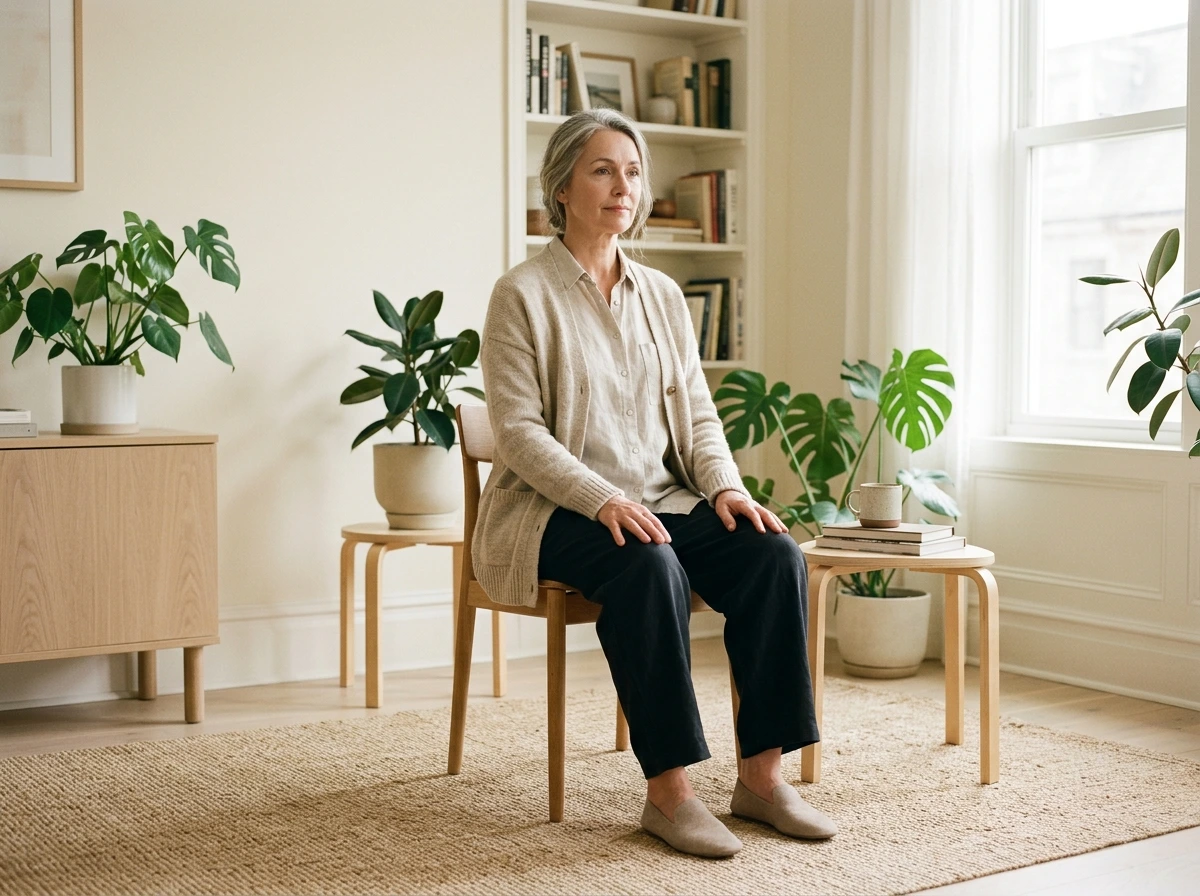
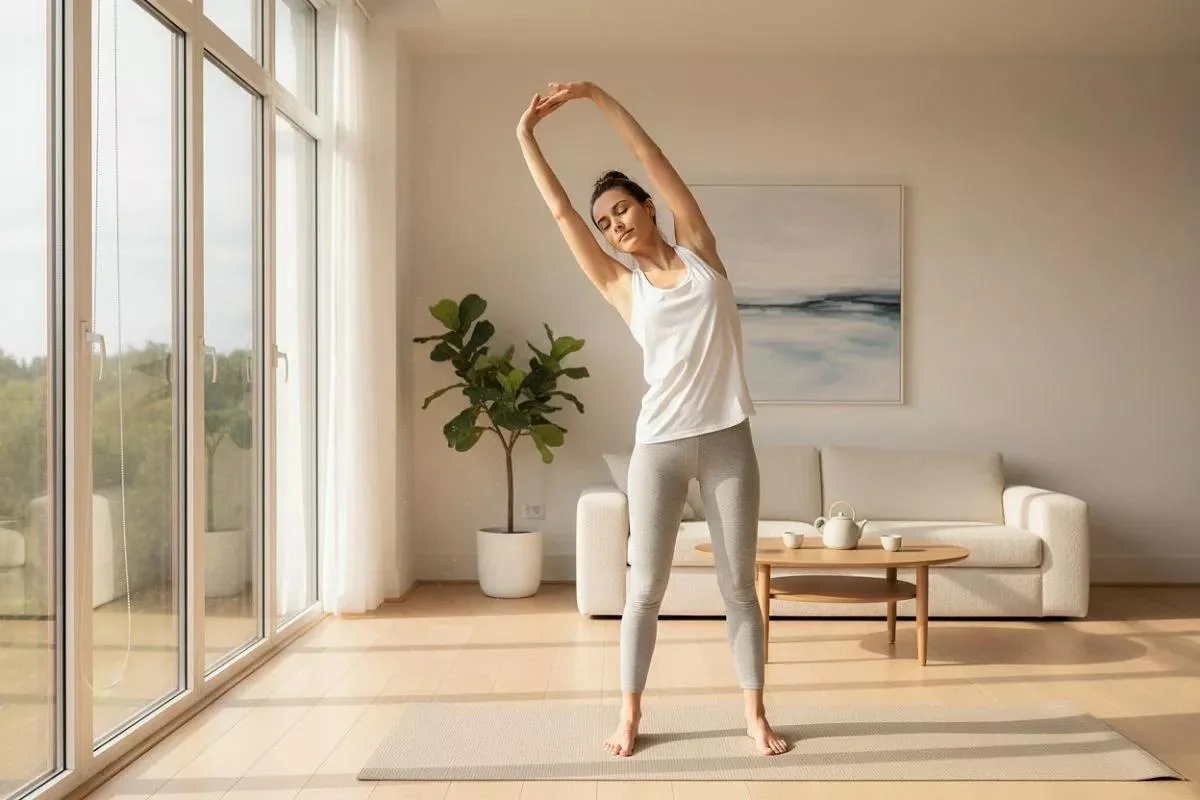
Gentle mobility means moving a joint or muscle group through its comfortable range, slowly, and without forcing. It is not stretching to the point of discomfort, and it is not exercise in the sense of raising the heart rate. It is closer to a warm-up — small, mindful movements that remind the body of its range.
A basic five-minute sequence that can be done sitting or standing:
Neck rolls — slow, half-circles toward each shoulder.
Shoulder circles — small at first, then slightly larger.
Wrist and finger movements — open, close, rotate.
Ankle rotations — sitting or standing, one foot at a time.
Slow side bends — reaching toward one side, then the other.
Gentle knee lifts — standing, using a chair for balance if needed.
Each movement can be done five to ten times slowly. The pace matters more than the number.
If a movement feels sharp or painful, stop and try a smaller version, or leave it for another day. Gentle mobility should never hurt.
Body Awareness
Noticing how the body feels during ordinary movement.
What body awareness means
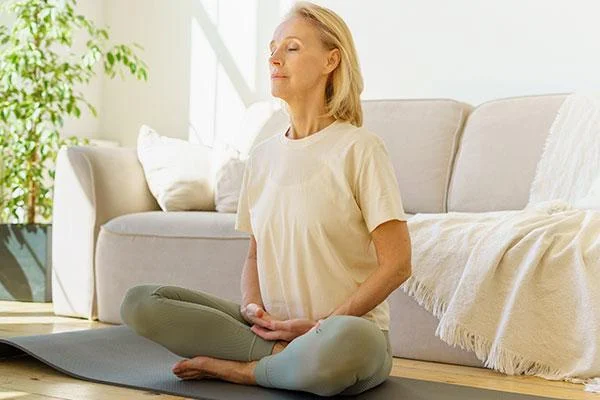
Body awareness is simply noticing how your body feels as you move through the day — where you hold tension, what feels comfortable, what feels tired. It is not a skill that requires training, and it is not about fixing anything. It is closer to paying attention.
Many people find that a few moments of checking in during the day — before a meal, after a meeting, on the way home — make it easier to notice when something has shifted, and easier to respond early rather than late.
Small check-ins during the day help notice tension before it builds up.
What to notice
Where you are holding tension — shoulders, jaw, lower back, hands.
How your posture changes across the day, and what feels comfortable.
Whether your breathing is relaxed or shallow.
Whether you have been sitting or standing for a long stretch.
Whether you feel tired, restless, or steady.
None of these need a response every time. Noticing them is often enough. Where something clearly needs attention — a persistent ache, a posture that no longer feels right — that is worth acting on.
Breath and movement together
Pairing slow breathing with gentle movement can make both feel more natural. There is no perfect rhythm — only the one that feels steady to you. In practice, this often means exhaling as you move into a stretch, and inhaling as you return.
Pelvic Floor Basics
An introduction to the muscles of the pelvic floor and how they support everyday function.
What the pelvic floor is
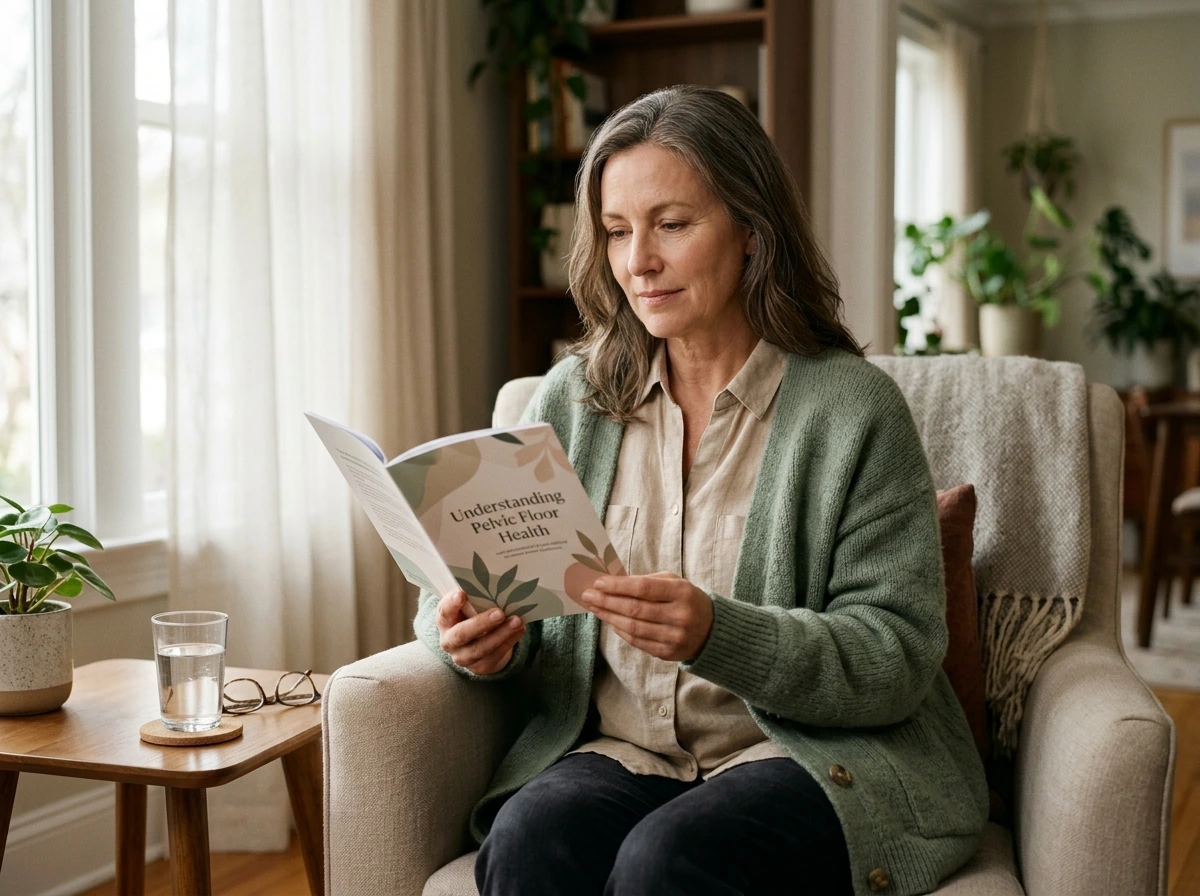
The pelvic floor is a group of muscles at the base of the pelvis. They stretch like a hammock from the pubic bone at the front to the tailbone at the back. They surround the openings of the urethra, vagina, and anus.
These muscles support the bladder, bowel, and — in women — the uterus. When they function well, they contribute to bladder and bowel control and respond automatically during everyday actions such as coughing or lifting.
The pelvic floor is part of a broader system that includes the abdomen and diaphragm.
Why it matters
The pelvic floor is part of a broader system. It works alongside the lower abdominal muscles and the diaphragm to support the spine and manage pressure within the abdomen. Factors such as pregnancy and childbirth, surgery, chronic constipation, repeated heavy lifting, and ageing can affect pelvic floor muscle function.
Because pelvic floor function varies widely between people, there is no single exercise programme that suits everyone.
How to begin
Start with awareness before exercise. Learning to gently identify and release these muscles is a good first step — no force, no strain, no rush.
Notice the muscles. Imagine stopping wind and urine at the same time. These are the pelvic floor muscles — used for identification, not as a training routine.
Notice the movement during breathing. On a gentle exhale, the pelvic floor lifts slightly. On the inhale, it relaxes.
Notice other muscles. The stomach, thighs, and buttocks should stay relaxed.
Notice the release. Full relaxation between contractions matters as much as the contraction itself.
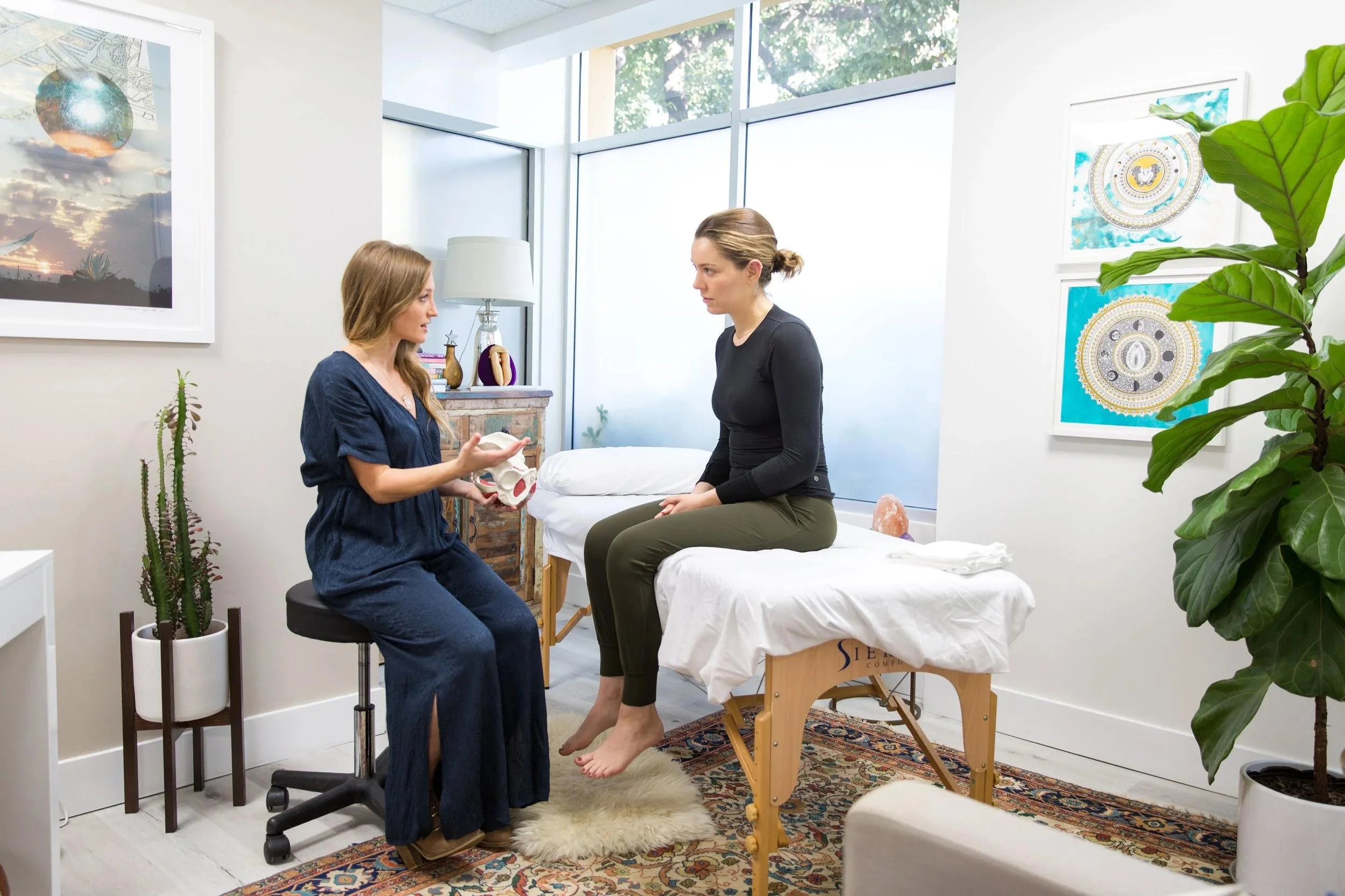
If the muscles remain hard to identify, or if you notice pain or discomfort, a pelvic floor physiotherapist can help. This is common and is not a personal failure.
Pelvic Floor Basics & Kegel Exercises
A calm, introductory guide to understanding the pelvic floor and practising Kegel exercises gently and correctly.
This section is educational and does not provide personal medical advice, diagnosis, or treatment. If you experience pain, discomfort, or ongoing symptoms related to movement or the pelvic floor, please consult a qualified healthcare provider or a pelvic floor physiotherapist.